
Llyn Padarn Water Quality: What Swimmers Need to Know
A look at sewage alerts, official bathing water testing and what the evidence says about swimming in Llyn Padarn.
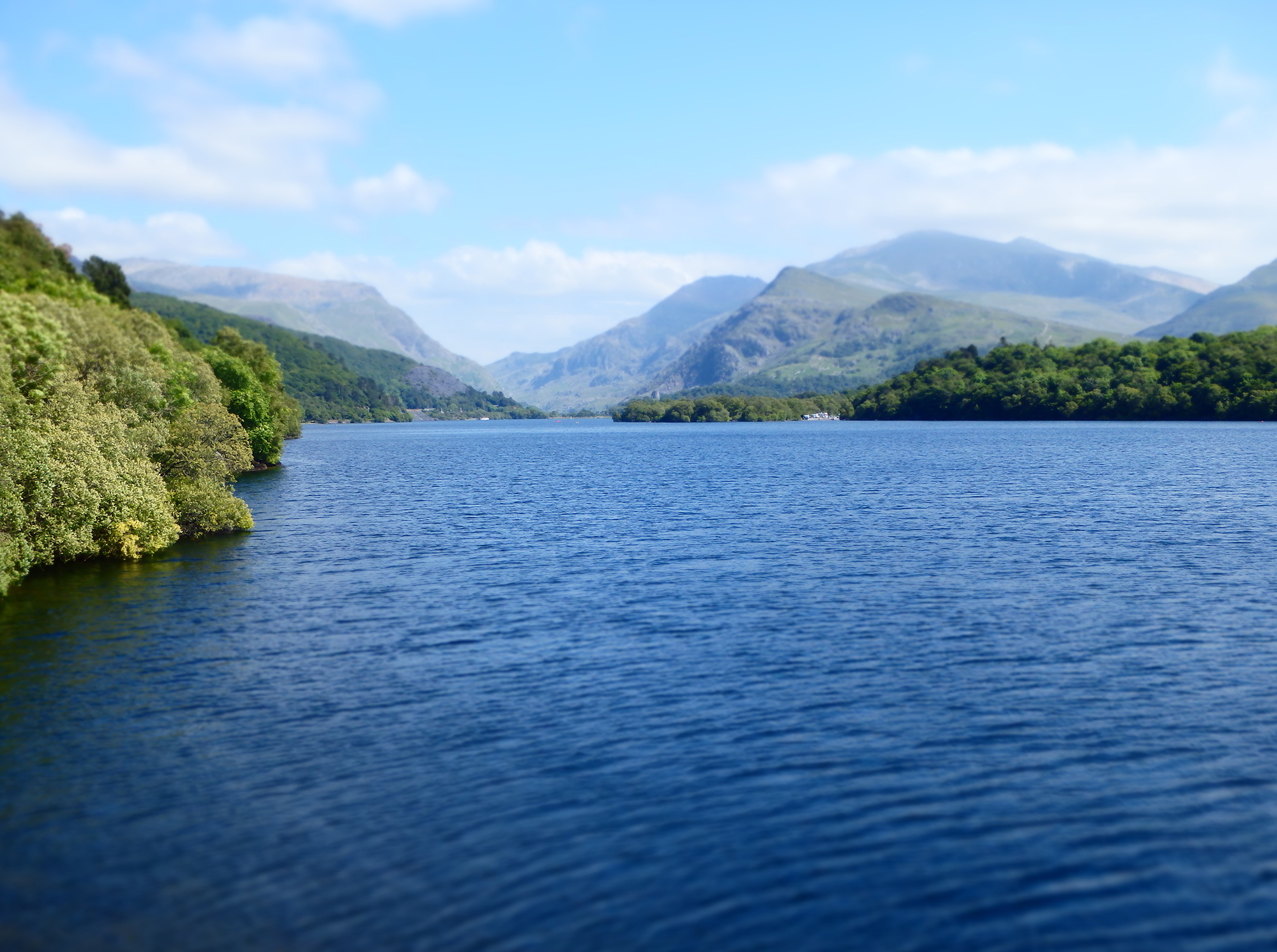
I love Llyn Padarn. It was the first lake I began swimming in regularly, 16 years ago, and it sparked my love of open water swimming, eventually leading me to start my business, Love SwimRun. Through the lake, I have completely changed my life and career, met some incredible and beautiful people, had some crazy adventures, completed challenges and been to places I’d probably never otherwise have gone. Each year, I hold at least two events in the lake and swim there countless times myself. I owe Llyn Padarn a lot…
With the launch of the Surfers Against Sewage (SAS) Safer Seas and Rivers Service App, lots of media attention on wilfully negligent water companies, posts all over social media and growing campaign groups, it’s not surprising that people are now more aware of, and worried about, water quality wherever they swim. As Llyn Padarn is the location of The Big Welsh Swim, The Welsh Winter Swim and Love SwimRun Llanberis, I’m getting an increasing number of questions about the situation in the lake.
Personally, after many years swimming in the lake I have never become ill, although I appreciate that individual experience cannot determine overall water quality or risk. Of the thousands of people who have swum in my events, I’ve only had four get in touch to say they had been poorly afterwards, and they could not put the cause down exclusively to the water quality.
According to Safer Seas and Rivers Service App, there have been 21 reports of illness after swimming in Llyn Padarn over five years, however those should be considered alongside the many thousands of people who use the lake annually. Also, the reports alone cannot confirm whether illness was conclusively caused by the water.
All open water swimming has risks
Whenever we swim in open water, be it a lake, river or the sea, we have to accept the risk that the water will definitely have some nasty stuff in it. It may contain natural or organic matter from dead and decaying plants and animals, heavy metals, algae, faeces from wildlife such as fish, ducks, birds and mammals living in it or nearby, runoff from adjacent land, which could include agricultural waste such as pesticides and slurry, human recreational waste such as urine, sweat, chemicals from cosmetics and sunscreen, dog poo, fuel spills or oil from boats, toilet discharge from boats or campers, litter, bacteria, waterborne diseases, invasive species and indeed sewage and water from storm overflows.
If that is making you feel a bit green, then perhaps you need to think twice about swimming outdoors altogether, although even swimming pools are pretty grim too when you think about it!
I am in no way defending the actions of many water companies across the UK right now. There is definitely so much more that needs to be done to reduce or end the sewage releases that seem to be occurring so often. I just do not want to get into the morals or politics of that in this article. I want to focus purely on Llyn Padarn and provide more information for those of you seeking advice about the water quality and whether it is safe to swim there.
Like any natural body of water, Llyn Padarn contains naturally occurring bacteria from its ecosystem, as well as runoff from the surrounding catchment, which includes Llanberis and surrounding villages, agricultural land, large area of the mountains, wildlife and livestock. High recreational use of the lake also contributes to water quality degradation. This is normal and cannot be entirely avoided in open water swimming.
Dŵr Cymru (Welsh Water) do indeed release discharges into Llyn Padarn and I am in no way defending them or condoning this. The alerts that appear on the Safer Seas and Rivers Service App are generally associated with storm overflow events following rainfall. Much of this is surface water that would naturally find its way into the lake via rivers and ground runoff, but instead passes through the drainage network. That is not to say that it does not include some domestic or industrial sewage, treated or untreated. It may well do. The app records even small overflow events, and these remain visible on the app for 48 hours. They are not a direct measure of the water quality in the lake itself and should not be interpreted as an indication that the lake is polluted, or indeed safe to swim in.
So what does it tell us?
In simple terms, it works like this:
1. Water companies report when combined sewer overflows (CSOs) or other monitored outfalls are discharging. The app collects this live data.
2. It uses bathing water impact modelling to turn this information into a risk alert for a specific swim spot, essentially assessing things like:
– Is there a discharge happening near this bathing water?
– Is that discharge likely to affect this location?
– Is the location a designated bathing water covered by an alert model?
– Possibly also how close the overflow is, what catchment it affects, and whether the spill is likely to reach the swim site.
The app is trying to assess whether that discharge is likely to compromise that specific bathing water.
3. It displays a simple alert status:
RED = sewage alert / pollution risk
GREEN = no alert in place
The app is only as reliable as the underlying data and modelling, which is an important limitation to understand.
A RED / GREEN result does NOT tell you:
– Someone sampled the water today and found it safe/unsafe.
– There is definitely no contamination.
– There is raw sewage, it is not safe to swim.
– How much (or what exactly) was discharged
Instead, it means:
Based on reported sewage discharges and the model used for this bathing water location, there is / isn’t currently an alert suggesting increased sewage risk to some degree.
SAS themselves acknowledge that:
– Discharge data alone doesn’t tell you if water is safe/unsafe.
– Alerts are based on water company data plus impact modelling.
– Different water companies use different alert models / thresholds.
– There is no single UK-wide standard yet, so there is no real consistency.
The absence of an alert should not be interpreted as proof that water quality is 100% safe. Natural bodies of water are never ‘perfect’ and conditions can change quickly between monitoring.
So how do you know if it’s OK to swim?
Llyn Padarn is regularly monitored by Natural Resources Wales and has been classified as having ‘Excellent’ bathing water quality for the last five years. It has only occasionally fallen below this classification, typically following periods of heavy rainfall or exceptionally hot weather with very high visitor numbers, but it has always achieved acceptable standards for bathing water quality.
As one of Wales’ few officially designated inland bathing waters, designated in 2014, Llyn Padarn is subject to close monitoring by NRW, and maintaining high water quality is a priority. Like any routine monitoring programme, official bathing water sampling provides valuable information but cannot continuously measure changing conditions throughout the season.
You can see the annual reports and test results here:
https://environment.data.gov.uk/wales/bathing-waters/profiles/profile.html?site=ukl1200-39975
The water quality has also recently been independently tested by a local group who carry out weekly sampling of water chemistry and viral load at five locations around the lake, in collaboration with the North Wales River Trust and Bangor University. Their results show very low bacteria results in all areas of the lake and phosphates being of concern in just one area, Craig yr Undeb, which is at the opposite end of the lake to the sewerage works and to where the storm overflow releases are. (Phosphorus has many sources. Some exists naturally in lakes and streams but human activities from residential, urban and agricultural areas contribute. Stormwater runoff collects fertilizers, eroded soil particles, septic system leaks, sewage and animal waste and discharges it into nearby lakes and streams. Craig yr Undeb is located next to a field regularly holding live stock)
You can also see the published results of recent water quality tests in Llyn Padarn by the Surfers Against Sewage Citizen Science initiative, The results indicate very low bacteria counts at the times of sampling:
https://datahq.sas.org.uk/citizen-science-data-hq/citizen-science-results/
Check it yourself
If you are concerned about the water in Llyn Padarn, or anywhere else you swim, as well as the links above, here are some useful websites you can check to keep up to date on any pollution alerts:
Dŵr Cymru’s (Welsh Water’s) Storm Overflow Map
This map provides near real-time information about Dŵr Cymru’s storm overflow activity, as indicated by their event duration monitors. You can use the map to see if a storm overflow is currently operating, as they are designed to do during or following heavy rain, and the date and time of the last recorded instance of them operating.
https://corporate.dwrcymru.com/en/community/environment/storm-overflow-map
Top of the Poops
https://top-of-the-poops.org/now
Stream Water Data
https://www.streamwaterdata.co.uk/
Surfers Against Sewage Sewage Map
https://www.sas.org.uk/sewage-map/
Make your own assessment
Whenever you arrive at a swimming location look for signs that the water quality might be compromised.
Local signage: Always check the beach or lake shoreline for local warning signs indicating any dangers
Algae Blooms: Avoid the water if it has a murky, frothy, or paint-like appearance. Blue-green algae blooms can produce toxic scums that are harmful to humans and fatal to dogs.
Odour and Debris: Stay out if you notice a foul or ‘rotten egg’ smell, large amounts of trash, or dead fish.
Murkiness: If you can’t see your feet in knee-deep water, it may indicate poor water quality or obscure dangerous submerged objects.
Heavy Rainfall: Runoff from heavy rain can carry fertiliser, animal waste, and urban pollution into lakes, rivers and oceans. Avoid swimming for 24 to 48 hours after heavy rainfall.
Hot weather: Warmer water and sunshine can compromise water quality by lowering dissolved oxygen levels, boosting algal blooms and bacteria growth. It also means far higher levels of recreational use as people seek the water to cool off, adding to the load as mentioned above. Seek larger bodies of deeper, cooler water to swim in.
Get Involved: Sign up to local community groups who are active in water testing in the places that you swim. Or find out about joining the SAS Citizen Science project.
No single source can definitively tell you whether water is ‘safe’ on any given day. Official bathing water classifications, storm overflow notifications, independent testing and visual observations each provide part of the picture, but all have limitations. The most informed decision comes from considering several sources together.
Some swimmers choose to avoid the lake whenever there has been a recent overflow notification, while others look at a broader range of information, including water quality testing, weather conditions, etc before deciding whether to swim. This article is intended to explain what the available information does, and does not, tell us, rather than persuade anyone either way. Ultimately, as with any open water swimming you undertake, and any event you enter, everyone must make their own informed decision about whether they are comfortable accepting the risk when it comes to water quality and participation.
As an event organiser, I continually review available water quality information as part of my risk assessment process. If monitoring indicated that holding an event posed an unacceptable health risk, I would reconsider proceeding.
If you are interested in water quality issues, perhaps you would also be interested in ways that you can make a smaller impact on the environment in your own swimming. There are lots of little things you can do to make a difference. Take a look at this article on how to be a more environmentally responsible swimmer:
https://loveswimrun.co.uk/eco-swimming/
Written by Chloë Rafferty, Love SwimRun Director, 25/06/2026
BACK TO MAIN KNOWLEDGE BASE MENU
MORE ARTICLES…


